
Modernisation Fund
National funding in Eastern Europe Member States to support strategic projects in the energy sector
Contents
What is the Modernisation Fund?
The Modernisation Fund is a key financial instrument established by the European Union to support the low-carbon energy transition in ten Eastern EU Member States: Bulgaria, Croatia, Czech Republic, Estonia, Hungary, Latvia, Lithuania, Poland, Romania and Slovakia.
Funded by revenues from the EU Emissions Trading System (ETS), it accelerates strategic projects that drive the modernisation of energy systems in these countries, fostering sustainability, innovation and economic growth. It is a critical tool to help the EU meet its climate goals under the European Green Deal and the Fit for 55 package.
How is the fund financed?
The fund is financed through revenues generated by 2% to 2.5% of the total ETS allowances allocated for the period 2021-2030. Depending on market conditions and the carbon allowance price, it is expected to provide up to €48 billion by 2030.
These resources are distributed among eligible Member States, with larger allocations to high-emission and financially constrained countries, such as the Czech Republic, Poland and Romania.
This instrument plays a crucial role in ensuring a fair and inclusive energy transition across Europe, particularly for regions with a higher dependency on fossil fuels. This helps balance economic growth with environmental responsibility.
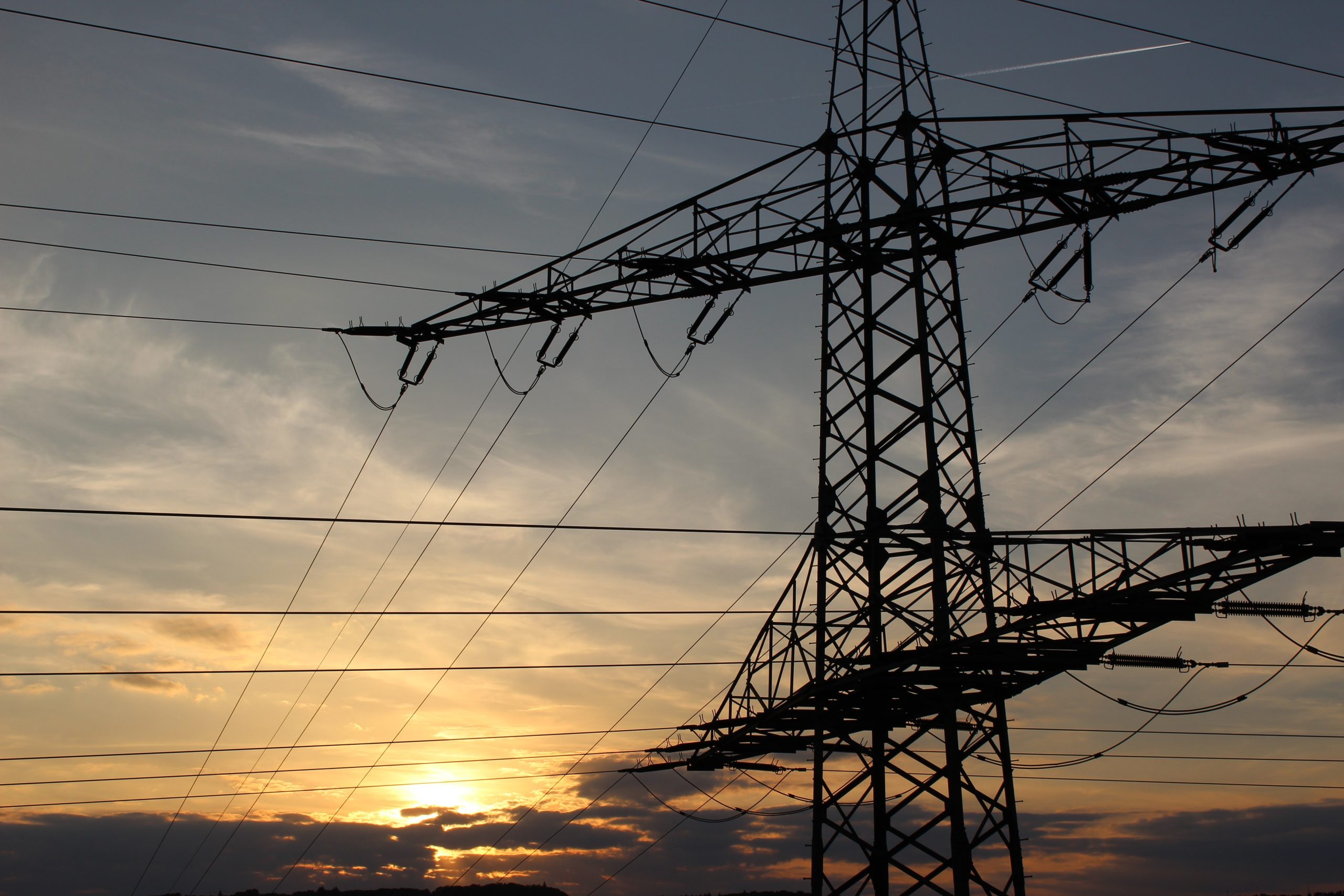
High-voltage power lines. Photo: PxHere (CC0)
Which projects are eligible?
Eligible projects target significant reductions in greenhouse gas emissions, improvements in energy efficiency and the modernisation of energy infrastructure. These include:
- generating and using electricity from renewables (including wind, solar, hydropower and hydrogen);
- reducing overall energy use in industry, transport, buildings, agriculture and waste;
- district heating networks;
- modernising electricity grids to support the integration of renewable energy and energy storage;
- increasing interconnections between Member States;
- zero-emission mobility infrastructure.
These projects play a vital role in accelerating the EU’s transition to a low-carbon economy.
What are the steps to obtain funding?
Project proposals must go through several key stages:
- Project proponents apply for funding through their government, either directly or through dedicated calls for projects.
- Member States select the investments they wish to submit for support from the fund.
- The European Investment Bank (EIB) validates whether the project qualifies as a priority investment.
- The European Commission and the EIB transfer the financial resources to the beneficiary Member States.
- The Member State and the project promoter implement the funding agreement to carry out the energy project.
This highly structured process ensures that supported projects align with EU climate and energy policies.
How does european economics support its clients with the Modernisation Fund?
european economics leverages its expertise in public funding for strategic energy projects to help clients access State aid through this fund.
We assist with all aspects of project development, ensuring that applications are designed to maximise funding potential and reduce the risk of rejection. From preparing comprehensive application files (including funding gap calculations) to navigating the evaluation process, we provide end-to-end support to secure funding.
With our proven track record in State aid funding procedures, european economics is your trusted partner in securing Modernisation Fund support for strategic energy projects in Eastern EU countries.